
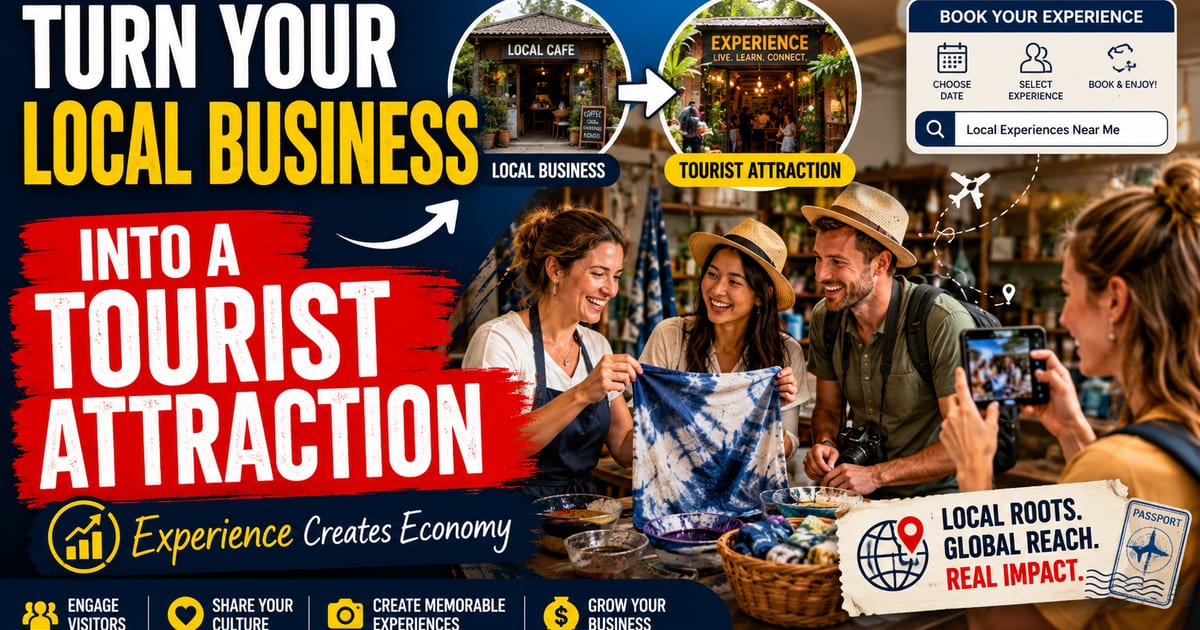
How Can I Turn My Local Business Into a Tourist Attraction?
Many small business owners ask the same question:
“How can I turn my local business into a tourist attraction?”
The answer is not always to build something big.
You do not always need a theme park.
You do not always need a huge building.
You do not always need a famous landmark.
You do not always need millions of ringgit.
Sometimes, the attraction is already there.
It may be your product.
It may be your skill.
It may be your story.
It may be your family business.
It may be your village.
It may be your food.
It may be your craft.
It may be your daily routine that looks ordinary to you, but fascinating to a tourist.
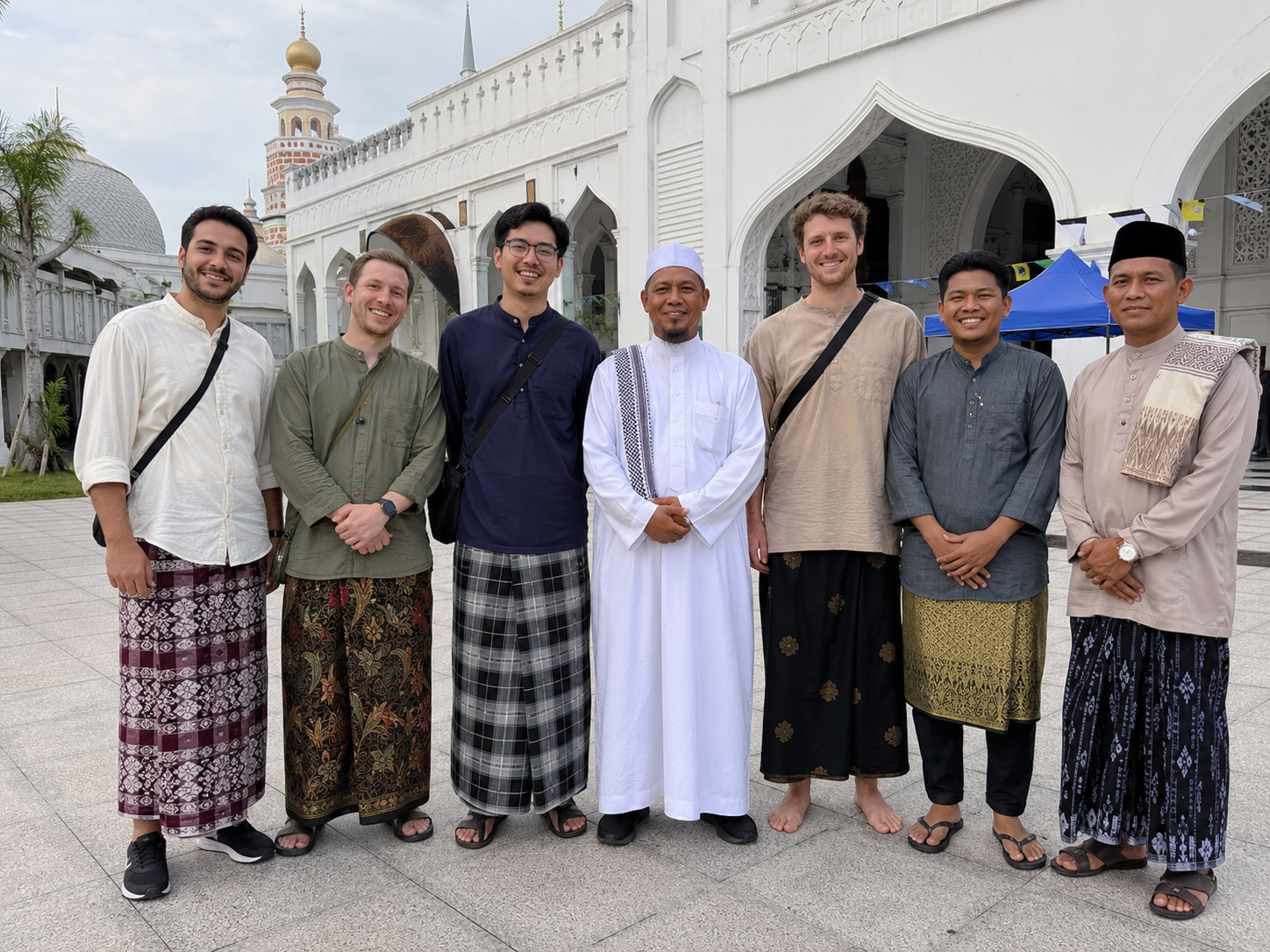
The problem is this:
Most local business owners only sell products.
They sell the scarf.
They sell the food.
They sell the coffee.
They sell the craft.
They sell the room.
They sell the boat ride.
They sell the service.
But tourists are not only looking for products.
They are looking for experiences.
And this is where the real opportunity begins.
To turn your local business into a tourist attraction, you must stop thinking only like a seller and start thinking like an experience creator.
You must turn what you already have into a local experience.
Then, you must make it visible, bookable, and promotable to tourists who are already searching online.
That is the new tourism opportunity.
The Big Mistake: Selling Products Instead of Experiences
One of the biggest mistakes local businesses make is this:
They only sell the product.
A hijab seller sells hijab.
A restaurant sells food.
A batik shop sells batik.
A farm sells fruits.
A boat operator sells boat rides.
A homestay sells rooms.
A café sells drinks.
There is nothing wrong with selling products.
But when you want to attract tourists, the product alone is often not enough.
Tourists may buy your product once.
But they may pay more for the story, activity, learning, photos, and memories around that product.
For example, a hijab or scarf seller can continue selling scarves as usual.
But that same seller can also create a tourist experience called:
“100 Creative Ways to Wear a Hijab or Scarf”
Suddenly, the business is no longer just selling fabric.
It becomes a cultural, creative, fashion, storytelling, and photo-friendly experience.
Tourists can learn how to wear a scarf in different styles.
They can understand the cultural meaning behind it.
They can take photos.
They can interact with the host.
They can buy the product after the experience.
They can recommend it to friends.
They can leave reviews online.
That is how a simple product becomes a tourist attraction.
The product is still there.
But now, there is an experience around it.
And experience creates economy.
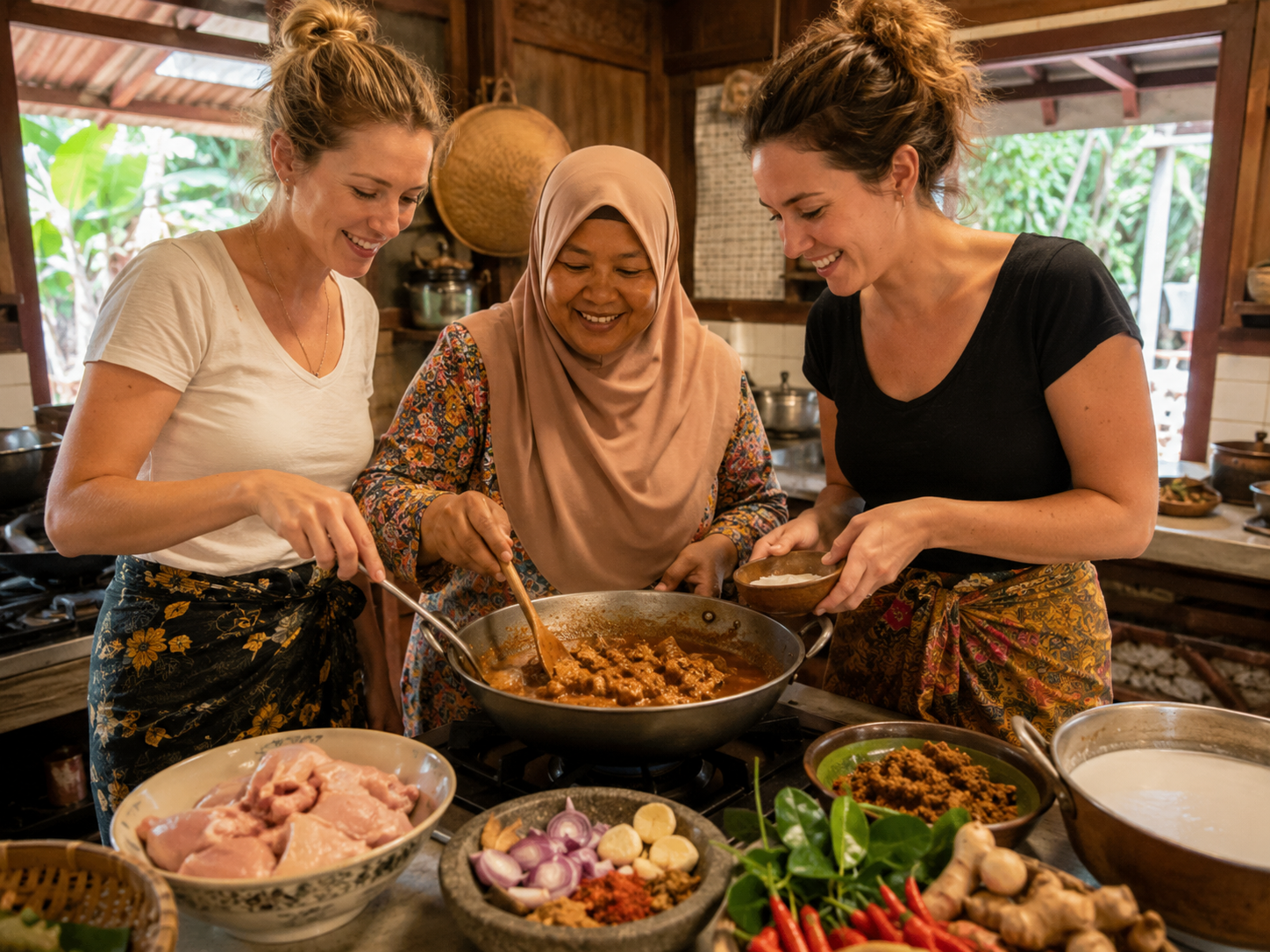
What Is a Local Experience?
A local experience is not just something tourists see.
It is something they can join, feel, learn, taste, touch, photograph, remember, and share.
A local experience can be created from almost anything:
A food business can become a tasting trail.
A scarf shop can become a styling workshop.
A batik shop can become a hands-on batik experience.
A farm can become a harvest-and-cook activity.
A village can become a heritage walk.
A coffee shop can become a local coffee story session.
A fishing village can become a seafood and fisherman lifestyle experience.
A craft business can become a make-your-own souvenir workshop.
A local transport route can become a nostalgia trail.
A sunset cruise can become a signature evening experience.
The key is not whether your business is “famous” or “big.”
The key is whether you know how to package what you already have into something tourists can understand, enjoy, and book.
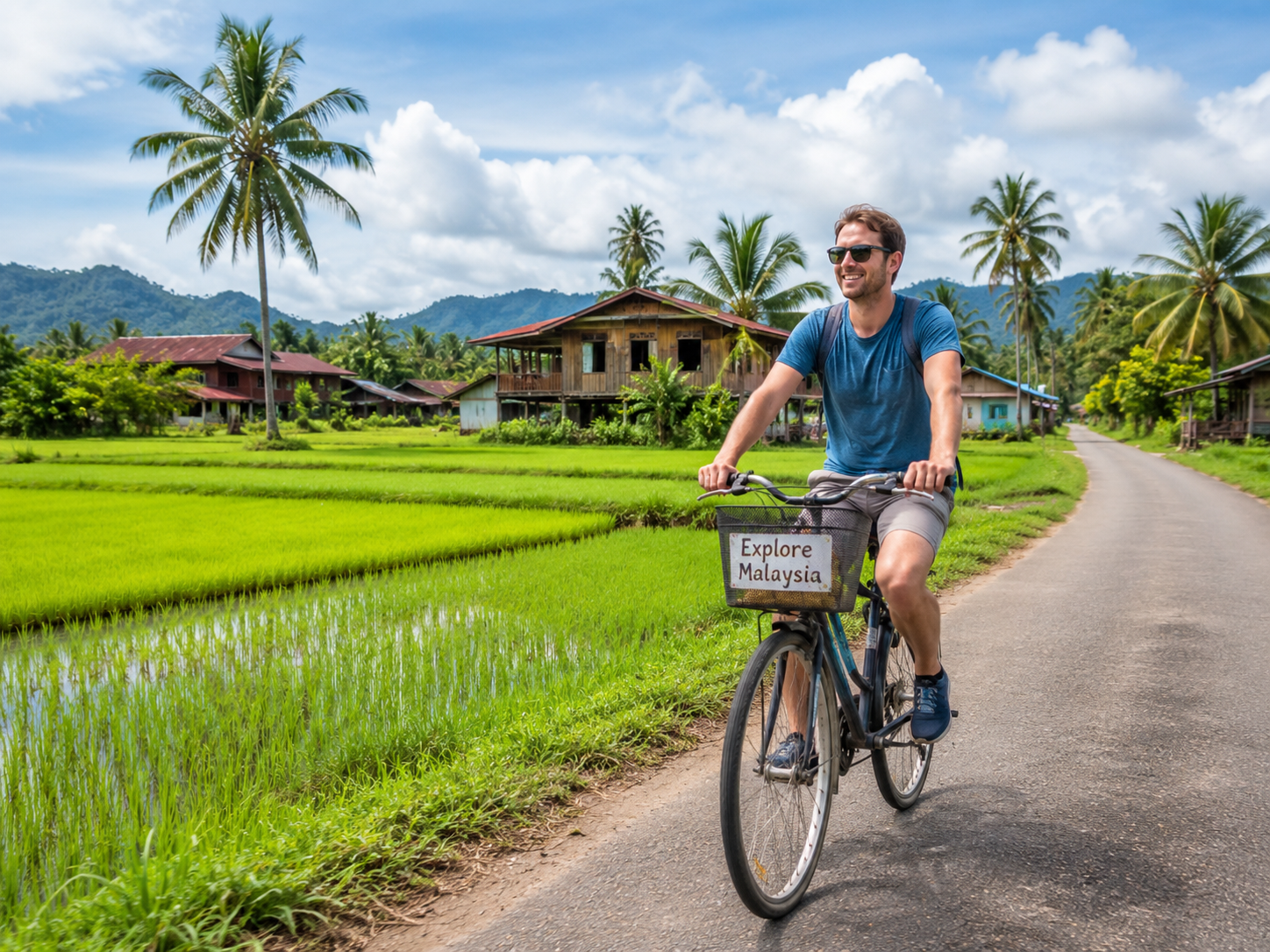
Why Many Local Businesses Fail to Become Tourist Attractions
In my experience working with tourism players and local entrepreneurs, many businesses are not lacking potential.
They are lacking packaging.
They do not see the hidden tourism value in what they already have.
They think tourism is only for big attractions, big hotels, big beaches, big theme parks, or famous destinations.
But this is not true.
Tourism can also come from small, authentic, meaningful, local experiences.
The real problems are usually these:
Many business owners do not know how to package their product as a local experience.
They are not visible online.
They are not listed on international marketplaces.
They do not have proper photos or videos.
They do not understand what tourists are looking for.
They do not have a booking page.
They do not have their own platform or booking engine.
They wait for tourists to discover them by accident.
But tourists today do not discover businesses by accident.
They search.
They compare.
They read descriptions.
They look at photos.
They check reviews.
They book online.
So, the question is not only:
“Is my business interesting?”
The better question is:
“Can an international tourist find it, understand it, trust it, and book it?”
That is the real challenge.
The 7-Step Framework: How to Turn Your Local Business Into a Tourist Attraction
Here is a simple framework I use when helping local businesses turn their assets into bookable experiences.
Step 1: Identify the Asset
Every local business has assets.
Your asset may be your product, location, skill, story, recipe, process, culture, people, history, or surrounding area.
Do not only look at what you sell.
Look at what tourists may find interesting.
A local may say, “This is normal.”
But a tourist may say, “Wow, I have never seen this before.”
That difference is where tourism value begins.
Ask yourself:
What do we do every day that tourists may find interesting?
What knowledge do we have that others do not?
What local story can we share?
What can visitors touch, taste, try, make, or photograph?
What can we teach in 1 to 2 hours?
What is unique about our place, people, or product?
Your first job is to discover the hidden tourism asset inside your business.
Step 2: Add Storytelling
A product without a story is just a product.
A product with a story becomes memorable.
Tourists do not only want to know what something is.
They want to know why it matters.
Why is this food important?
Why is this craft special?
Why do locals do it this way?
Why is this place meaningful?
Why is this tradition still alive?
Why should a visitor care?
For example, a scarf is a product.
But when you explain its style, identity, cultural meaning, creativity, and personal expression, it becomes a story.
A sunset cruise is a boat ride.
But when you position it as a relaxing sunset experience near Kuala Lumpur, with Port Dickson as an alternative to Langkawi, it becomes more powerful.
Storytelling helps tourists see value.
And when they see value, they are more willing to book.
Step 3: Design the Activity
A tourist attraction is not only about looking.
It is about doing.
This is where you turn your asset into an activity.
For example:
Do not just sell coffee. Create a local coffee tasting experience.
Do not just sell batik. Let tourists try batik painting.
Do not just sell hijab. Teach “100 creative ways to wear a hijab or scarf.”
Do not just offer a boat ride. Package it as a sunset cruise experience.
Do not just sell noodles. Create a local noodle trail.
Do not just own a heritage building. Create a guided story walk.
The activity must be clear.
Tourists should understand:
What will I do?
How long will it take?
What will I learn?
What will I taste or try?
What photos can I take?
What memory will I bring home?
What makes this different from other activities?
A good local experience is not complicated.
It just needs to be clear, enjoyable, and easy to join.
Step 4: Price It Properly
Many local businesses underprice themselves because they think only about the product cost.
But an experience includes more than the product.
It includes your time, knowledge, preparation, story, hosting, materials, coordination, photos, and customer service.
When pricing a local experience, consider:
Your preparation time
Your delivery time
Materials used
Staff or guide cost
Marketplace commission
Transport or logistics
Refreshments
Souvenir or sample product
Profit margin
Value of the knowledge shared
Do not price only as a seller.
Price as a host, guide, trainer, storyteller, and experience creator.
Tourists are often willing to pay for meaningful experiences, especially when the activity is authentic, well-presented, easy to book, and professionally delivered.
Step 5: Create Photos and Videos
Tourism is visual.
Before tourists book, they want to see what they will experience.
Your photos and videos must answer one simple question:
“Can I imagine myself enjoying this?”
You need photos of the location, activity, host, product, happy participants, behind-the-scenes moments, and final outcome.
For video, you do not need a big production team at the beginning.
You can start with simple short videos showing:
What the experience is
Who it is for
What visitors will do
Why it is unique
What they will take home
How to book
For example, for a scarf experience, show the different styles, smiling participants, cultural explanation, mirror moments, photo spots, and final group photo.
For a sunset cruise, show the boat, sea, sunset, relaxing mood, guests enjoying the view, and the feeling of being away from the city without going too far from Kuala Lumpur.
People book what they can see.
So make your experience visible.
Step 6: List It on International Marketplaces
This is one of the most important steps.
A local experience is not truly ready for international tourists until it is discoverable and bookable.
Many tourists are already searching on international platforms such as Tripadvisor and Viator.
They may already be in Malaysia.
They may already be in Kuala Lumpur, Penang, Langkawi, Sabah, Melaka, Johor, Ipoh, Port Dickson, or other destinations.
The question is:
When they search for things to do, will they find you?
This is why local businesses should onboard their experiences onto international marketplaces.
Marketplaces can help you become visible to tourists who are already looking for activities.
But there is another important point.
You should not depend 100% on marketplaces.
You should also build your own platform and booking engine.
Why?
Because your own platform helps you build your brand.
It allows you to collect direct inquiries.
It gives you a professional digital identity.
It helps you promote through social media, WhatsApp, Google, email, and partners.
The best strategy is not marketplace only.
The best strategy is:
Marketplace visibility + your own platform + your own booking engine.
That is how you create both discovery and brand ownership.
Step 7: Promote the Experience
Listing is not the end.
Promotion is still important.
Once your experience is created and listed, you must promote it consistently.
You can promote through:
Short videos
Facebook posts
TikTok videos
Instagram reels
YouTube Shorts
Google Business Profile
WhatsApp groups
Tourism associations
Hotels and homestays
Local councils
Tour guides
Travel agents
Influencers
Blog articles
Email newsletters
The goal is to make people understand that your business is no longer just selling a product.
It now offers a bookable local experience.
This is where the mindset shift happens.
You are not only a shop owner.
You are a host.
You are not only a seller.
You are an experience creator.
You are not only waiting for customers.
You are attracting tourists.
Case Study: Port Dickson Sunset Cruise
One example I like to share is the sunset cruise in Port Dickson.
For many tourists, when they think about sunset cruises in Malaysia, they may immediately think about Langkawi.
That is understandable.
Langkawi is famous.
But here is the opportunity.
Not every tourist in Kuala Lumpur has time to fly or travel all the way to Langkawi.
Some may want a beautiful sunset cruise experience not too far from KL.
That is where Port Dickson has a strong advantage.
Port Dickson is accessible.
It is nearer to Kuala Lumpur.
It has the sea.
It has the sunset.
It has the potential.
But potential alone is not enough.
The experience must be packaged properly.
The operator must be positioned clearly.
The activity must be made bookable.
The listing must be placed where tourists are already searching.
We assisted the operator to get listed on an international marketplace, and the experience became successful.
This is an important lesson.
Sometimes, the destination does not need to compete by copying famous places.
It needs to find its own angle.
For Port Dickson, the angle is simple:
You do not need to go as far as Langkawi to enjoy a sunset cruise. You can enjoy one near Kuala Lumpur.
That is positioning.
That is packaging.
That is how a local asset becomes a tourist experience.
Who Should Turn Their Business Into a Tourist Attraction?
This approach is suitable for many types of businesses and entrepreneurs.
It can work for:
Cafés
Restaurants
Farms
Batik shops
Hijab and scarf sellers
Craft makers
Homestays
Boat operators
Village entrepreneurs
Local guides
Cultural groups
Food producers
Wellness operators
Small museums
Community businesses
Traditional product sellers
Family businesses
Local councils supporting entrepreneurs
Tourism players who want new income
The important thing is not the size of your business.
The important thing is whether your business has something tourists can experience.
And in many cases, the answer is yes.
You just need to identify it, package it, price it, make it visible, and make it bookable.
Why This Matters for International Tourists
International tourists do not travel only to buy things.
They travel to experience something different from their normal life.
They want stories.
They want local culture.
They want food.
They want people.
They want photos.
They want learning.
They want authenticity.
They want something they can talk about when they return home.
This is why local businesses have a huge opportunity.
Many local businesses are sitting on hidden tourism income.
But they do not see it because they are too close to their own business.
What looks normal to you may be fascinating to someone from another country.
The way you cook, dress, farm, craft, speak, celebrate, prepare food, style fabric, make products, or explain your local area may become a valuable tourist experience.
But only when it is properly packaged.
Your Local Business Needs to Be Visible and Bookable
In the old days, a tourist may walk around and discover businesses randomly.
Today, many tourists plan through online search, travel platforms, social media, and digital recommendations.
That means your business must be easy to find before the tourist arrives or while the tourist is already nearby.
Visibility is important.
But visibility alone is not enough.
You also need bookability.
A tourist should be able to read about your experience, understand the price, see the timing, look at photos, check what is included, and make a booking.
Without a booking system, you may lose customers.
Without clear descriptions, you may lose trust.
Without good photos, you may lose attention.
Without marketplace listing, you may lose discovery.
Without your own platform, you may lose brand control.
This is why turning your local business into a tourist attraction is not only about creativity.
It is also about digital readiness.
The Simple Formula
Here is the simple formula:
Local Asset + Storytelling + Activity + Pricing + Photos/Videos + Marketplace Listing + Promotion = Bookable Local Experience
This is how a local business can become a tourist attraction.
Not by waiting.
Not by guessing.
Not by only selling products.
But by designing an experience that tourists can discover, understand, trust, and book.
What You Can Create in 7 Days
Many business owners think this process will take months.
But the first version can be created faster than you think.
In my 7-day workshop, the goal is to help participants create a local experience step by step.
By the end of the workshop, participants should have:
A clear local experience idea
A draft itinerary
A pricing structure
A photos and videos plan
A marketplace-ready description
A booking page direction
A complete product concept ready to promote
The workshop is designed for tourism players, entrepreneurs, and local business owners who want to earn income from international tourists by turning their existing assets into bookable experiences.
The first step is not to become perfect.
The first step is to become clear.
Clear offer.
Clear activity.
Clear price.
Clear story.
Clear photos.
Clear booking path.
Once you have clarity, you can improve, promote, and grow.
Start With the 7-Day RM97 Workshop
Through Your Inbound Matters, we help tourism players and entrepreneurs create local experiences that can become visible and bookable.
The easiest starting point is the:
Create Your Own Local Experience From Zero to Bookable in 7 Days Workshop
The workshop fee is only RM97.
In this workshop, we guide you step by step to identify your asset, add storytelling, design the activity, price the experience, plan your photos and videos, prepare marketplace-ready content, and move towards creating a bookable experience.
After that, businesses that want deeper support can explore advisory services such as:
Done-with-you local experience creation
Platform and booking engine setup
Listing support for Tripadvisor, Viator, and other international marketplaces
Promotion strategy
Full advisory for tourism operators, entrepreneurs, local councils, and destination stakeholders
The mission is simple:
To help local businesses stop being invisible.
To help them become experience-ready.
To help them become bookable.
To help them generate income from international tourists.
Final Thought: You May Already Have a Tourist Attraction
You may think your business is ordinary.
But maybe it is only ordinary to you.
To an international tourist, your food, product, craft, story, place, culture, or daily activity may be something new and meaningful.
The opportunity is not always about building something new.
Sometimes, the opportunity is about seeing what you already have with new eyes.
Your business may already have tourism value.
Now, you need to package it.
Tell the story.
Design the activity.
Price it properly.
Create photos and videos.
List it on the marketplace.
Promote it.
Make it bookable.
That is how you turn a local business into a tourist attraction.
And that is how experience creates economy.
Frequently Asked Questions
How can I turn my local business into a tourist attraction?
You can turn your local business into a tourist attraction by identifying your hidden local asset, adding storytelling, designing an activity around it, pricing the experience, creating photos and videos, listing it on international marketplaces, and promoting it consistently.
Do I need a big attraction to attract tourists?
No. You do not need a big attraction. Many successful tourism experiences are created from small local assets such as food, crafts, culture, farming, local stories, fashion, wellness, heritage, and community activities.
What is an example of a local business becoming a tourist experience?
A hijab or scarf seller can create an experience called “100 Creative Ways to Wear a Hijab or Scarf.” Instead of only selling scarves, the business can offer a cultural and creative styling workshop for tourists.
Why should I list my experience on marketplaces like Tripadvisor or Viator?
International tourists often search for things to do on travel marketplaces. Listing your experience there can help tourists discover and book your activity more easily. However, you should also have your own platform and booking engine to build your own brand.
What is the first step to create a bookable local experience?
The first step is to identify what local asset you already have. This could be your product, skill, place, story, recipe, craft, culture, process, or surrounding area. From there, you can turn it into a structured activity for tourists.
Who can join the 7-day workshop?
The workshop is suitable for tourism players, entrepreneurs, local business owners, product sellers, homestay owners, craft makers, food operators, local guides, and anyone who wants to create income from international tourists through bookable local experiences.
Want to turn your local business, product, or local asset into a bookable tourist experience?
Join the Create Your Own Local Experience From Zero to Bookable in 7 Days Workshop by Your Inbound Matters.
Workshop fee: RM97
In 7 days, you will learn how to identify your asset, create your local experience, prepare your pricing, design your itinerary, plan your photos and videos, write your marketplace-ready description, and move towards becoming visible and bookable to international tourists.
Your product may be ordinary today.
But with the right packaging, it can become an experience tourists love to book.
To know more about our next workshop , please fill in this form at
Experience Creates Economy.
Uzaidi Udanis
Founder, Your Inbound Matters
yourinboundmatters.com